
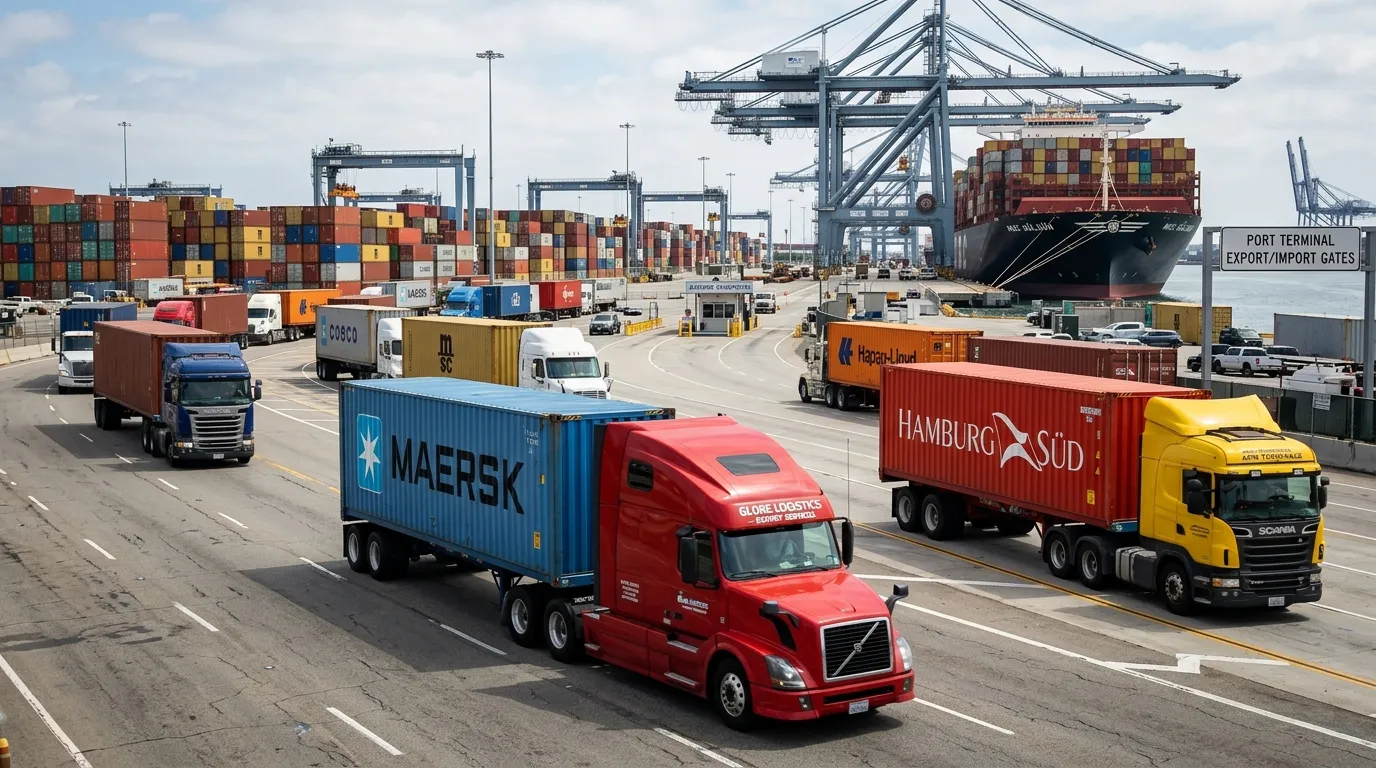
There are several incentives that businesses in the Export Processing Zones (EPZ) of Pakistan get, such as exemptions from custom duties, tax benefits, facilitation for imports and exports, and availability of special industrial infrastructure.
At the same time, such organizations have to fulfill certain regulatory requirements to continue functioning without any penalty or punishment.
In case of non-compliance with the rules of the EPZs, a business may be fined or even lose its operating permission.
This compliance checklist outlines the key legal, financial, operational, environmental, and trade-related requirements that EPZ businesses should regularly monitor.
Compliance Checklist for EPZ Businesses
Every EPZ company should establish an internal compliance framework that covers the following areas:
Regulatory Compliance
- Maintain valid EPZA approvals and licenses
- Operate only within approved business activities
- Notify EPZA of major business changes
- Renew permits and registrations when required
- Comply with all applicable government regulations
Customs Compliance
- Follow EPZ customs procedures
- Maintain accurate import and export records
- Ensure duty-free imports are used for approved purposes
- Facilitate customs inspections when required
Financial Compliance
- Maintain proper accounting records
- Prepare financial statements
- Submit required tax filings
- Maintain banking and foreign exchange records
Operational Compliance
- Meet export obligations
- Follow labor regulations
- Comply with environmental requirements
- Maintain workplace safety standards
Regular internal audits can help identify compliance gaps before they become regulatory issues.
Follow Customs Regulations
Customs compliance is one of the most important obligations for businesses operating in Export Processing Zones.
Since EPZ companies enjoy duty-free imports of machinery, equipment, raw materials, and production inputs, customs authorities closely monitor the movement and usage of imported goods.
Businesses should ensure:
- All imports are properly declared
- Imported goods match approved documentation
- Duty-free imports are used only for authorized activities
- Inventory records are maintained accurately
- Customs inspections are supported when requested
- Exported products are traceable to imported materials where required
Companies should also establish inventory management systems that allow customs authorities to verify stock levels and material usage.
Failure to comply with customs regulations may lead to:
- Customs penalties
- Recovery of exempted duties
- Suspension of import privileges
- Regulatory investigations
Maintaining accurate customs records is therefore essential for long-term operational stability.
Meet Tax and Financial Requirements
Although EPZ businesses benefit from various tax incentives, they are still required to comply with financial reporting and applicable taxation regulations.
Businesses should:
- Maintain complete accounting records
- Record all transactions accurately
- Submit required tax returns
- Comply with withholding tax obligations
- Maintain bank transaction records
- Prepare annual financial statements
- Retain financial records for regulatory review
Foreign investors should also maintain documentation related to:
- Capital investments
- Profit repatriation
- Foreign currency transactions
- Dividend distributions
Regular consultation with tax advisors and accountants can help businesses remain compliant with changing regulatory requirements.
Maintain Proper Documentation
Documentation is a critical component of EPZ compliance. Regulatory authorities frequently require supporting records to verify imports, exports, financial transactions, employee information, and operational activities.
Important documents include:
Corporate Documents
- Certificate of incorporation
- Memorandum and Articles of Association
- Partnership agreements
- Board resolutions
Customs Documents
- Commercial invoices
- Packing lists
- Bills of lading
- Airway bills
- Import declarations
- Export declarations
Financial Documents
- Bank statements
- Tax filings
- Audit reports
- Financial statements
Operational Records
- Production records
- Inventory reports
- Sales records
- Supplier agreements
Businesses should implement document retention policies and maintain both physical and digital records for easy retrieval during inspections or audits.
Observe Labor Laws
EPZ businesses must comply with Pakistan’s labor regulations and employment laws regardless of the special status of the zone.
Employers should ensure compliance with:
- Employment contracts
- Minimum wage requirements
- Working hour regulations
- Overtime rules
- Employee benefits
- Leave entitlements
- Social security obligations
- Workplace discrimination laws
Employee records should include:
- Employment agreements
- Payroll documentation
- Attendance records
- Training records
- Performance evaluations
Companies should also establish policies covering workplace conduct, grievance handling, and employee welfare.
Failure to comply with labor laws can result in legal action, penalties, and reputational damage.
Comply With Environmental Standards
Industrial businesses operating in EPZs are expected to follow environmental regulations designed to minimize pollution and promote sustainable operations.
Environmental compliance may include:
- Waste management procedures
- Air emission controls
- Wastewater treatment requirements
- Hazardous material handling
- Noise control measures
- Environmental monitoring programs
Depending on the industry, businesses may need:
- Environmental approvals
- Environmental impact assessments
- Waste disposal records
- Pollution monitoring reports
Industries such as chemicals, textiles, pharmaceuticals, and manufacturing often face additional environmental obligations due to the nature of their operations.
Implementing environmental management systems can help businesses reduce compliance risks and improve sustainability performance.
Fulfill Health and Safety Requirements
Protecting employees and visitors is a key compliance responsibility for all EPZ businesses.
Companies should establish workplace health and safety programs covering:
- Risk assessments
- Emergency response procedures
- Fire safety systems
- Personal protective equipment (PPE)
- Machinery safety measures
- First aid facilities
- Incident reporting procedures
Common health and safety requirements include:
- Fire extinguishers
- Emergency exits
- Safety signage
- Employee safety training
- Hazard communication programs
Regular inspections should be conducted to identify and address workplace hazards before accidents occur.
A strong safety culture not only improves compliance but also enhances productivity and employee confidence.
Protect Intellectual Property
Businesses involved in manufacturing, technology development, branding, or product innovation should ensure their intellectual property is properly protected.
Key intellectual property considerations include:
- Trademark registration
- Patent protection
- Copyright protection
- Industrial design registration
- Confidentiality agreements
- Trade secret protection
Companies should also monitor for potential infringement by competitors or unauthorized third parties.
Intellectual property protection is particularly important for businesses engaged in:
- Technology manufacturing
- Electronics
- Pharmaceuticals
- Consumer products
- Software development
Strong IP protection helps safeguard competitive advantages and supports long-term business growth.
Meet Import and Export Requirements
Since EPZ businesses primarily operate as export-oriented entities, compliance with import and export regulations is essential.
Businesses should ensure:
- Proper classification of imported goods
- Accurate customs declarations
- Compliance with export destination requirements
- Adherence to trade restrictions
- Proper use of certificates of origin
- Compliance with international trade agreements
Export documentation may include:
- Commercial invoices
- Packing lists
- Export declarations
- Certificates of origin
- Inspection certificates
- Shipping documents
Companies exporting to specific markets may also need to comply with additional international regulations and product standards.
Failure to meet import-export requirements can cause shipment delays, penalties, and customer dissatisfaction.
Ensure Product Quality Compliance
Product quality plays a critical role in maintaining export competitiveness and regulatory compliance.
Businesses should implement quality management systems that ensure products consistently meet customer and regulatory requirements.
Quality compliance measures may include:
- Quality control inspections
- Product testing procedures
- Manufacturing process monitoring
- Supplier quality assessments
- Corrective action systems
- Customer complaint management
Many international buyers require compliance with recognized standards such as:
- ISO 9001
- ISO 14001
- ISO 45001
- Industry-specific certifications
For food, pharmaceutical, medical, and consumer products, additional certifications and testing requirements may apply.
Maintaining strong quality control systems helps reduce product recalls, improve customer satisfaction, and support long-term export growth.
Conclusion
Operating within an Export Processing Zone provides businesses with valuable incentives, streamlined customs procedures, and enhanced access to international markets. However, maintaining these benefits requires continuous compliance with customs regulations, tax requirements, labor laws, environmental standards, health and safety obligations, intellectual property protections, and export regulations.
A proactive compliance strategy helps businesses minimize regulatory risks, avoid penalties, maintain operational efficiency, and protect their reputation in global markets.
By regularly reviewing compliance obligations and implementing effective internal controls, EPZ businesses can focus on sustainable growth while maximizing the advantages offered by Pakistan’s Export Processing Zones.
Also Read: Challenges Faced by Foreign Investors in Pakistan