
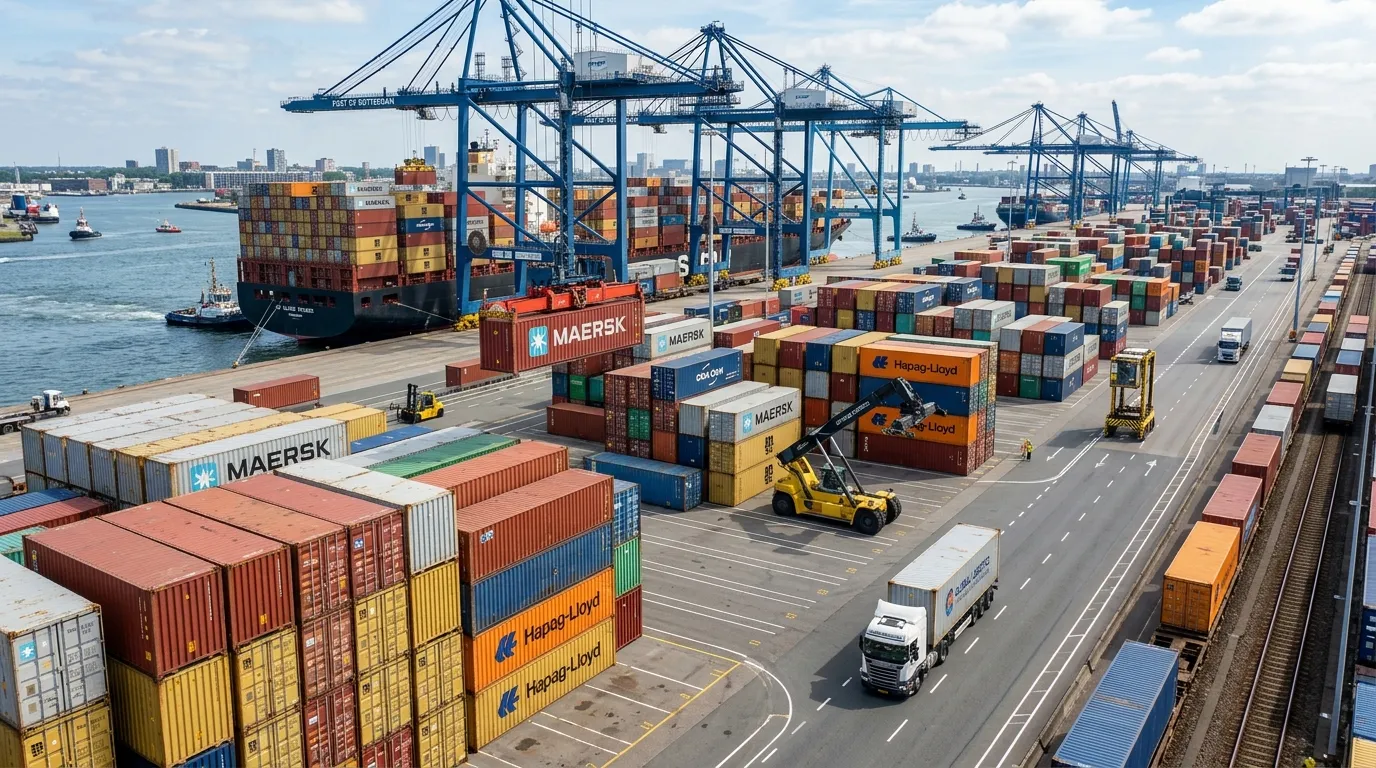
Export Processing Zones of Pakistan provide investors with an advantageous business environment for carrying out manufacturing and processing activities. Investors in EPZs have access to facilities such as customs duty exemption, tax benefits, easy importation of equipment, and industrial infrastructure.
Nevertheless, in order to take advantage of these benefits, investors need to go through an established process that entails the incorporation of their companies, getting permits, developing facilities, and setting up their operations.
Although different projects take different times to go through the above process, most businesses should be able to complete this process in between 2 and 12 months.
Stage 1: Initial Planning and Feasibility Study (1–2 Weeks)
Every successful EPZ investment begins with a detailed feasibility study. Before committing capital, investors should evaluate the commercial viability of their project, identify target export markets, assess operational costs, and determine infrastructure requirements.
During this stage, businesses typically analyze:
- Product demand in international markets
- Export opportunities and trade routes
- Raw material sourcing options
- Capital investment requirements
- Utility requirements
- Labor availability
- Production capacity planning
- Projected profitability
- Regulatory obligations
Investors should also decide whether their project will involve manufacturing, assembly, processing, warehousing, or export services.
A well-prepared business plan developed during this phase often becomes a key component of the EPZA application process.
Stage 2: Company Registration and Documentation (1–2 Weeks)
Before applying for EPZ approval, investors must establish a legal business entity. The structure selected depends on ownership preferences, investment size, and operational objectives.
Common business structures include:
- Private Limited Company
- Single Member Company
- Foreign-Owned Company
- Branch Office
- Liaison Office
- Partnership Entity
This stage generally involves:
- Company name reservation
- SECP incorporation
- Preparation of Memorandum and Articles of Association
- Director appointments
- NTN registration
- Tax registration
- Corporate bank account opening
For foreign investors, additional notarization and attestation requirements may apply.
Typical documentation includes:
- Certificate of Incorporation
- Memorandum and Articles
- Shareholding details
- Director information
- Passport copies
- Board resolutions
- Financial statements
- Business plan
Stage 3: Application Submission to EPZA (2–4 Weeks)
Once the company has been established, investors can submit their application to the Export Processing Zones Authority (EPZA).
The authority evaluates projects based on export potential, investment value, industry suitability, and economic impact.
The application package generally includes:
- EPZA application form
- Company registration documents
- Business plan
- Financial projections
- Machinery list
- Utility requirements
- Land requirements
- Export forecasts
EPZA may request additional information or clarification before proceeding with approval.
Stage 4: Issuance of Provisional Approval (1–2 Weeks)
After reviewing the proposal, EPZA issues provisional approval if the project satisfies its investment criteria.
This approval allows investors to:
- Apply for industrial plots
- Lease factory units
- Import machinery
- Initiate construction planning
- Begin operational preparations
The provisional approval may contain specific conditions relating to:
- Export obligations
- Construction milestones
- Environmental compliance
- Reporting requirements
- Operational timelines
Stage 5: Acquiring Land or Factory Space (2–6 Weeks)
Following provisional approval, investors must secure suitable premises within the EPZ. The option selected usually depends on project size, budget, and operational requirements.
Available Options
Industrial Plots.
Suitable for:
- Manufacturing facilities
- Processing plants
- Large-scale industrial projects
- Export-oriented production units
Ready-Built Factory Units
Suitable for:
- SMEs
- Assembly operations
- Light manufacturing
- Businesses seeking faster setup
Warehousing Facilities
Suitable for:
- Storage operations
- Logistics centers
- Export distribution activities
During this stage, investors typically complete:
- Plot selection
- Lease execution
- Site possession
- Utility applications
- Facility layout planning
Stage 6: Importing Machinery and Equipment (2–8 Weeks)
One of the major advantages of operating within EPZs is the ability to import machinery and production equipment without customs duties and taxes, subject to applicable regulations.
Businesses commonly import:
- Production machinery
- Industrial equipment
- Manufacturing tools
- Testing equipment
- Packaging systems
- Spare parts
- Production lines
Activities during this phase include:
- Supplier selection
- Purchase agreements
- Shipment scheduling
- Freight arrangements
- Customs documentation
- Installation planning
The duration largely depends on equipment availability, shipping schedules, and customs processing requirements.
Stage 7: Construction and Facility Development (2–12 Months)
Investors establishing custom-built facilities enter the construction phase after obtaining land allocation. This stage often represents the longest portion of the overall project timeline.
Construction activities may include:
- Site preparation
- Foundation work
- Structural construction
- Utility infrastructure installation
- Internal road access
- Administrative offices
- Production halls
- Warehouses
- Quality control laboratories
Additional systems frequently installed include:
- HVAC systems
- Electrical infrastructure
- Water supply systems
- Wastewater treatment facilities
- Fire protection systems
- Security systems
- Industrial automation systems
The overall timeline depends on project complexity, contractor performance, weather conditions, and infrastructure requirements.
Stage 8: Recruitment and Workforce Setup (2–4 Weeks)
As construction nears completion, businesses begin building their workforce. Effective recruitment and training are essential for achieving operational readiness.
Typical hiring requirements include:
- Production workers
- Machine operators
- Engineers
- Technicians
- Supervisors
- Quality control personnel
- Administrative staff
- Security personnel
Additional activities often include:
- Employment contracts
- Technical training
- Safety training
- HR policy implementation
- Compliance orientation
Companies may also recruit expatriate specialists where technical expertise is required.
Stage 9: Final Inspection and Commercial Production Approval (1–3 Weeks)
Before commencing commercial production, EPZA and other relevant authorities may conduct final inspections to verify compliance with approved project plans and operational requirements.
Inspection areas typically include:
- Facility completion
- Machinery installation
- Utility readiness
- Workplace safety
- Environmental compliance
- Security arrangements
- Customs controls
- Production capability
Required submissions may include:
- Completion certificates
- Machinery inventories
- Operational readiness reports
- Utility connection approvals
- Employee records
Upon successful inspection, investors receive authorization to commence commercial operations and export activities.
How to Speed Up Business Setup in Pakistan EPZs?
Although some delays are unavoidable, investors can significantly accelerate the setup process through proactive planning and preparation.
Best Practices for Faster Approval
- Prepare all corporate documents before submission.
- Conduct a detailed feasibility study early.
- Submit complete EPZA applications.
- Use ready-built factory units where feasible.
- Begin machinery procurement immediately after approval.
- Apply for utilities as soon as land allocation is confirmed.
- Engage experienced EPZ consultants.
- Maintain regular communication with regulatory authorities.
- Ensure environmental and safety requirements are addressed during project planning.
Projects that are properly planned and documented generally move through the approval process much faster than those requiring repeated revisions and clarifications.
Conclusion
Establishing a business within Pakistan’s Export Processing Zones requires a structured approach involving planning, registration, approvals, infrastructure development, and operational readiness.
While simple projects utilizing ready-built facilities may become operational within a few months, large manufacturing investments often require significantly more time due to construction and equipment installation requirements.
By understanding the complete setup timeline and preparing documentation in advance, investors can reduce delays, improve project execution, and take full advantage of the incentives offered by Pakistan’s EPZ framework. Proper planning, regulatory compliance, and professional guidance remain the most effective strategies for achieving a smooth and efficient business setup process.
Also Read: Compliance Checklist for EPZ Businesses