
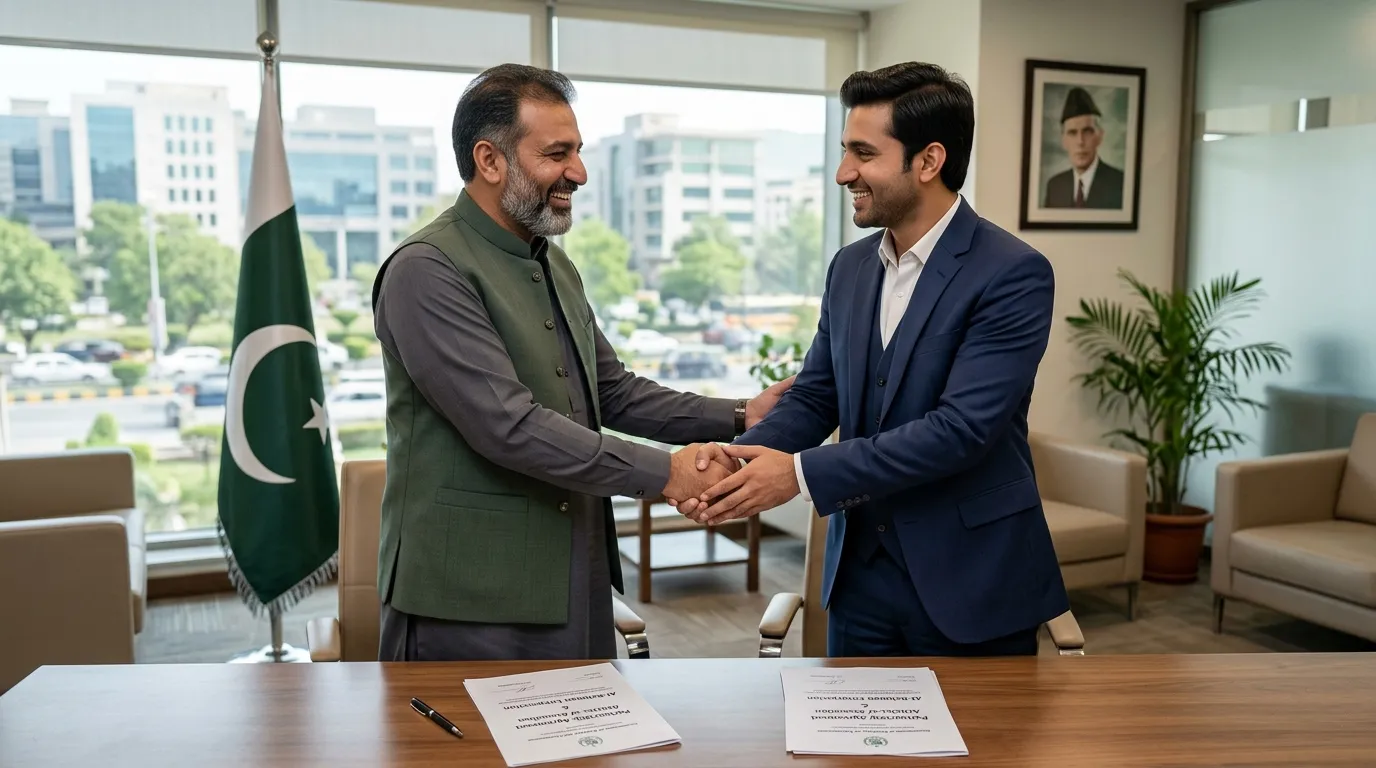
If you are thinking about starting a business in an Export Processing Zone, the first thing to understand is that the cost is usually more layered than people expect.
On the surface, it looks simple: you set up a unit, bring machinery, start production, and enjoy export benefits.
But once you actually break it down, you start seeing how many small and medium expenses quietly build up in the background.
That is where most investors get caught off guard, not in one big cost, but in many small ones they did not plan properly.
So instead of guessing or underestimating, let’s walk through what the real cost structure looks like in a practical way.
1. Company Registration & Licensing Fees
Everything starts with basic legal setup. You will need to register your company with SECP, get your NTN, and complete tax registration depending on your business activity.
Now when you move into an EPZ, there is an extra layer on top of that. You need approval from the Export Processing Zones Authority, plus licensing for operating inside a bonded export environment.
This step also includes documentation about what you are producing, how you will export, and how your operations fit into EPZ rules.
On paper, this part does not look expensive, but in reality delays here can quietly add cost because your entire project timeline gets pushed forward.
Costs (Estimated):
- SECP registration & NTN: PKR 15,000 – 50,000
- Legal & consultancy fees: PKR 50,000 – 200,000
- EPZA application & licensing: PKR 50,000 – 150,000
- Documentation & approvals buffer: PKR 50,000+
Total Estimate: PKR 150,000 – 450,000
2. Land or Facility Costs
This is usually one of the first big decisions. Inside EPZs, you either lease a plot and build your own facility or you take a ready-built industrial unit.
Most EPZ setups work on long-term lease models rather than ownership. The cost depends on where the zone is located, how developed it is, and how close it is to transport routes like ports or highways.
A simple way to think about it is this. Better location inside the EPZ usually means higher lease cost, but also smoother logistics later. So you are always balancing cost versus efficiency here.
Costs (Estimated):
- Industrial unit rent: PKR 100,000 – 400,000 per month
- Security deposit (typically 6 months): PKR 600,000 – 2,400,000
- EPZ lease/plot charges: PKR 2,000,000 – 10,000,000+ upfront
Total Initial Outlay: PKR 1,000,000 – 10,000,000+
3. Construction & Setup Costs
If you go for a custom setup, construction becomes a major part of your budget. This is not just about building walls and a roof. Industrial construction includes flooring that can handle heavy machinery, proper layout design for production flow, fire safety systems, and warehouse integration.
And here is something many people underestimate. Even small delays in construction can increase your total cost because your machinery might arrive but the facility is not ready, or contractors extend timelines, or approvals are still pending.
So it is not only a construction cost issue, it is also a timing issue.
Costs (Estimated):
- Industrial construction: PKR 1,200 – 1,500 per sq ft
- Example (5,000 sq ft facility): PKR 6,000,000 – 7,500,000
- Fire safety & compliance systems: PKR 300,000 – 1,000,000
- Layout & engineering design: PKR 200,000 – 800,000
Total Estimate: PKR 7,000,000 – 10,000,000+
4. Machinery & Equipment Costs
This is usually the biggest expense in the whole setup.
Depending on your industry, machinery can range from semi-automated systems to fully automated production lines. If you are importing machinery, you also have to factor in shipping, installation, calibration, and training costs.
Even though EPZs give you duty and tax benefits, the setup process around machinery is still expensive and time consuming.
The trade-off is simple. More automation means higher upfront cost but lower labor pressure later. Less automation means cheaper entry but higher operational dependency.
Costs (Estimated):
- Small-scale machinery setup: PKR 5,000,000 – 20,000,000
- Medium-scale factory machinery: PKR 20,000,000 – 100,000,000+
- Installation & training: PKR 500,000 – 3,000,000
Typical Range: PKR 10,000,000 – 100,000,000+
5. Utilities & Infrastructure Costs
EPZs provide basic infrastructure, but “basic” does not always mean “ready for your exact industry needs.”
You will still need electricity connections, water systems, and sometimes gas supply depending on your setup. On top of that, many industries require upgrades like transformers, backup generators, voltage stabilizers, or even cooling systems.
For example, textiles need stable power and water. Food processing needs cold storage and hygiene systems. Electronics needs controlled environments.
So infrastructure cost really depends on how demanding your production process is.
Costs (Estimated):
- Electricity connection & setup: PKR 200,000 – 1,000,000
- Generator (industrial): PKR 1,000,000 – 5,000,000
- Transformers/stabilizers: PKR 500,000 – 2,000,000
- Water & plumbing systems: PKR 200,000 – 800,000
Total Estimate: PKR 2,000,000 – 8,000,000
6. Labor & Staffing Costs
Labor is not just about hiring people and paying salaries. In EPZ setups, the real cost includes hiring, training, and then stabilizing the workforce.
Most factories need machine operators, technicians, quality control staff, and administrative support. But new employees usually need training before they can actually meet export quality standards.
There is also retention cost. In industrial areas, workers move between companies, so you often need to spend on transport, incentives, or skill development just to keep your workforce stable.
Costs (Estimated – Monthly):
- Workers (10–30 staff): PKR 300,000 – 1,000,000
- Skilled technicians: PKR 100,000 – 400,000
- Training & onboarding: PKR 100,000 – 500,000 (initial)
Monthly Burn: PKR 500,000 – 1,500,000
7. Raw Materials & Inventory
This is another area where costs quietly add up.
Most EPZ businesses cannot run hand to mouth. You need buffer stock so production does not stop if shipments are delayed or demand increases suddenly.
If you are importing raw materials, then you also deal with freight charges, currency fluctuations, and timing issues in procurement cycles.
On top of that, you need proper storage systems inside your facility, which is also part of your setup cost.
Costs (Estimated):
- Initial raw material stock: PKR 1,000,000 – 10,000,000
- Import & freight costs: PKR 200,000 – 2,000,000
- Storage systems: PKR 200,000 – 1,000,000
Total Estimate: PKR 2,000,000 – 15,000,000
8. Compliance & Regulatory Costs
This is one area people usually underestimate because it does not feel like a “real business cost” at first.
But compliance inside EPZs is continuous. You will deal with environmental approvals, safety certifications, and industry specific requirements depending on what you are producing.
Some industries also need international certifications like ISO or HACCP. And then there are ongoing audits and documentation updates that you have to maintain regularly.
So even after setup, compliance remains part of your operating cost structure.
Costs (Estimated):
- Environmental & safety approvals: PKR 100,000 – 500,000
- ISO / HACCP certifications: PKR 300,000 – 1,000,000
- Audit & compliance maintenance: PKR 100,000 – 300,000 annually
Initial + Ongoing: PKR 300,000 – 1,500,000
Hidden Costs Most Investors Miss
This is where most budgets actually break.
There are always costs that do not show up in your initial plan. For example, delays in approvals, machinery sitting idle before installation, currency changes affecting imported goods, or shipping rate increases.
Then there is early-stage inefficiency. When your staff is still learning and systems are not fully stable, your output is lower but your costs are already active.
Even administrative and compliance workload increases over time, but many investors do not account for it at the start.
Typical Hidden Cost Buffer:
- Delays, inefficiencies, and unforeseen expenses: 10% – 30% of total project cost
Ways to Reduce Startup Costs in EPZs
Now the goal is not to cut corners, but to plan smarter.
One practical approach is phased investment. Instead of building everything and installing all machinery at once, you can scale in stages. This reduces pressure on cash flow and lowers risk.
Another option is using pre-built facilities instead of full construction, especially if speed matters more than customization.
Working with local consultants also helps reduce cost indirectly because you avoid delays in approvals and documentation errors that can slow everything down.
And finally, better sourcing and logistics planning can reduce long-term raw material and freight costs.
Conclusion
Starting a business in an Export Processing Zone is not just a single investment decision, it is a layered financial process. You are dealing with registration, land, construction, machinery, utilities, labor, inventory, compliance, and several hidden costs that only show up once operations begin.
If you look at it carefully, most cost problems are not about big surprises, but about small things that were not planned early enough. Once you understand the full structure, EPZs become much easier to navigate, and your investment decisions become a lot more stable and predictable.
Also Read: Documents Required to Register a Business in EPZ Pakistan