
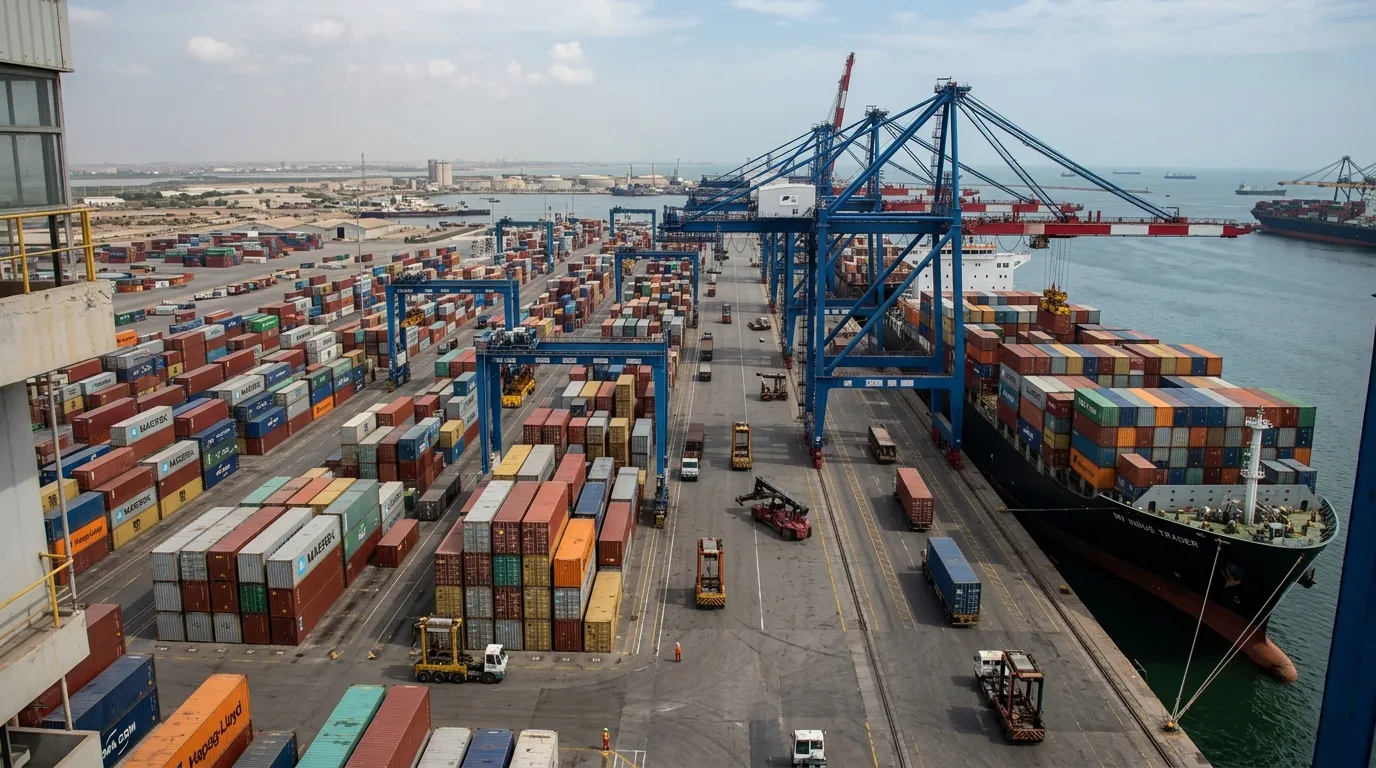
To stay compliant while operating in EPZs, businesses need to follow a structured system involving customs rules, tax regulations, documentation requirements, labor laws, and operational restrictions set by the Export Processing Zone authorities.
A lot of businesses enter EPZs thinking the process will remain simple once registration is complete. In reality, authorities monitor imports, exports, inventory movement, foreign exchange transactions, and production activity very closely. Even small mistakes like incorrect invoices, inventory mismatches, or delayed reporting can lead to shipment delays, penalties, or suspension notices.
The good thing is that compliance becomes manageable once you understand how the structure works. Every requirement follows a process, and once that process is built properly, operations become far more predictable and stable.
1. Register and Get All Approvals
The first thing to do to ensure compliance in an EPZ is registering and obtaining legal authorization of the business prior to its commencement. This would include business registration, registration for taxes, and legal authorization by the EPZ Authority.
A business can be registered either as a sole proprietorship, partnership firm, or a private limited company, depending upon the size of the business. Once a business is registered, it requires an NTN number and, at times, sales tax registration. Some other requirements from an EPZ Authority could be information regarding investments, list of machinery, export operations, etc.
Some industries require additional permissions. Food-related businesses may need health certifications, while manufacturing units handling chemicals or industrial waste may require environmental clearances and safety approvals. Skipping these steps creates problems later because banks, customs departments, and logistics providers often verify legal status before processing transactions or shipments.
2. Follow Import and Export Rules
Compliance with Imports and exports is the very root of EPX operations since these zones are connected to international trade. Businesses bringing in machinery, raw materials, or packaging product as imports need to give the right information about items under customs classifications. Incorrect HS codes, inaccurate product descriptions and any inaccurate info can lead to inspection/custom disputes.
Customs duties for the imports of materials by EPZ companies are exempt since the importation of these materials is meant for exporting purposes. This is monitored to prevent illegal entry of such materials into the local market. Companies should be able to show that the importation process is tied to production and exportation of their finished products.
The quantities, prices, and product descriptions in all documents such as the invoice, bills of lading, packing list, and customs declaration should tally. Small discrepancies will cause delays or audits. Therefore, companies should check all their documents instead of relying on freight forwarding companies or clearing agents.
3. Maintain Proper Documentation
Documentation is another crucial aspect of ensuring compliance within an EPZ since practically all operations can be verified at some point.
For business owners, proper documentation is necessary for transactions like imports, exports, inventory control, payrolls, vendor invoices, tax returns, foreign payments, and manufacturing. Documentation may be required by both customs officials and EPZ authorities upon inspection or audit.
Imports require documentation in the form of commercial invoices, packing lists, bills of lading, and certificates of origin. For exports, documentation requires export invoices, shipping bills, and customs declaration forms. In addition, stock ledgers are needed to document imported items, manufacturing, waste, and exports.
Many compliance problems have been known to arise due to lack of documentation. With the aid of accounting software or ERP systems, documentation becomes much more manageable.
4. Stay Compliant with Customs
Compliance with customs regulations in EPZs is not limited to customs declaration for imports and exports but also involves ensuring that companies use imported duty-free items appropriately.
For instance, machines imported in the EPZ through tax exemptions cannot be used for sale in the local market without getting approval and paying appropriate taxes. In the same manner, imported raw materials have to meet the activities approved by the company.
The customs department may even inspect equipment and inventory, where failure to match records with physical inventories will make the customs department suspicious of the misuse of duty-free imports.
Finally, the company has to have an understanding of customs regulations since all liability remains with the company despite the presence of a customs consultant or freight forwarder.
5. Follow Tax and Financial Rules
Despite the availability of tax incentives to enterprises operating within EPZ, they are still subjected to financial discipline, which they need to observe keenly.
They require a system of accounts that indicate income, expenses, imports, exports, salaries, and bank transactions. It is better that foreign payments and remittances flow through banks since banks are very particular about transactions related to international trade activities.
Tax exemptions offered within the EPZ are normally accompanied by conditions associated with export activities. In case the management misuses imported items or operates in non-compliance with regulations, it could result in loss of incentive and payment of outstanding duties and taxes.
It therefore follows that financial discipline becomes very important. Enterprises that have clean accounting and banking procedures tend to incur less compliance problems in future.
6. Labor Law Compliance
The EPZ companies are also supposed to observe employment laws concerning employment agreements, remuneration, work schedule, employee benefits, and health and safety in the work environment.
Contracts for employees ought to be observed with a clear definition of remuneration packages, work schedules, vacation times, and job descriptions. The payroll data and timekeeping system should be maintained up-to-date as well.
Manufacturing industries need to observe health and safety requirements such as emergency exit points, fire extinguishing system, good ventilation, and personal protective gears when necessary.
Disregarding compliance with labor legislation poses some operational risks since employment conflicts and disagreements on issues such as payment, safety, and employment terms may affect the operations negatively.
7. Environmental and Safety Standards
Companies that manufacture or undertake any form of industrial process may also be subject to environmental and safety regulation as per the nature of their operations.
If an operation produces chemical waste, emissions, or industrial discharge, then environmental management systems must be in place as authorized by the governing bodies. Companies also need to put in place fire safety systems, emergency systems, and machine safety systems.
This is because the breach of such environmental and safety regulations may result in penalties and even cessation of operations for companies deemed to be risky.
8. Regular Reporting to Authorities
EPZ authorities usually require businesses to submit periodic operational reports. These reports may include import activity, export performance, production data, employment figures, and financial details.
The purpose of these reports is to verify that businesses are operating within approved activity and meeting export commitments. Missing deadlines or submitting inaccurate reports can create unnecessary compliance reviews.
Businesses should assign clear internal responsibility for handling reporting schedules so important filings are not missed.
9. Use the Facility Only for Approved Activity
Businesses operating inside EPZs are only allowed to use the facility for the activity approved during registration.
A company approved for textile manufacturing cannot suddenly begin electronics assembly or unrelated trading activity without obtaining additional permissions. Authorities monitor operational usage closely because tax and customs incentives are linked directly to approved business functions.
If operational activity changes later, businesses should formally update their approvals instead of making unofficial changes.
10. Conduct Internal Audits
Conducting an audit within the organization allows businesses to be aware of compliance weaknesses before external agencies detect them.
The typical practice in internal auditing involves examining the organization’s inventories, customs, accounting system, tax payments, payroll, and procedures. By doing so, it ensures that any discrepancies or problems are detected and sorted out before becoming serious.
An organization that carries out internal audits regularly runs smoothly since the problems are addressed promptly.
Conclusion
Working in the EPZ provides many benefits for business, such as tax incentives, customs clearance, and easier access to global commerce. However, the only way to maintain these benefits is through proper management of compliance systems. Those businesses that face difficulties while working within EPZs are often the ones who fail to provide documentation, report in time, or work without any structure at all.
Once the proper systems are in place for customs, bookkeeping, reporting, labor management, and stock control, compliance is significantly simpler. The aim is not simply to avoid fines and penalties but to create a sustainable business environment capable of scaling without interruption.
Also Read: How to Choose the Right Location Within EPZ Pakistan?