
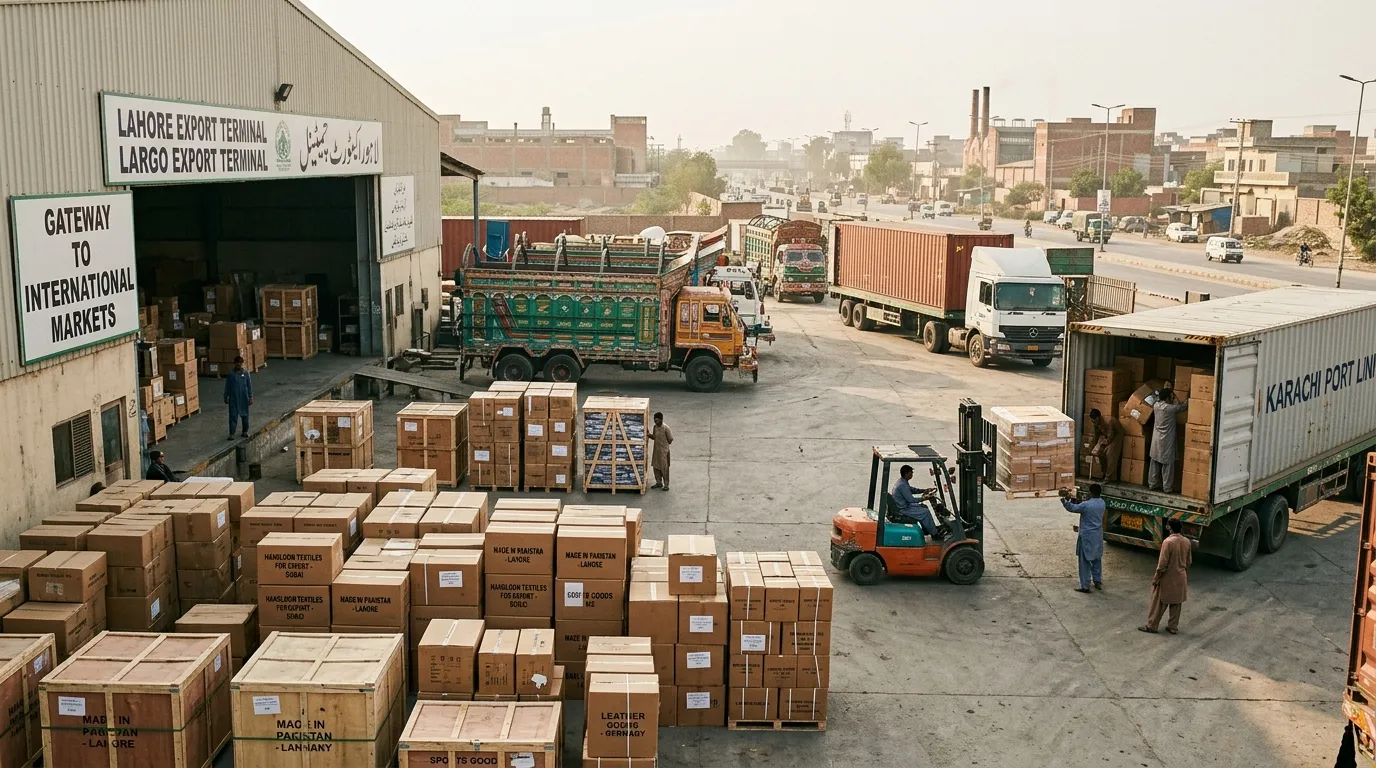
The Lahore Export Processing Zone (LEPZ) is one of Pakistan’s key industrial zones established to promote export-oriented manufacturing, attract foreign direct investment (FDI), encourage technology transfer, and increase the country’s export earnings.
Operated under the supervision of the Export Processing Zones Authority (EPZA), LEPZ provides investors with a specialized business environment that combines fiscal incentives, customs facilitation, developed infrastructure, and streamlined regulatory procedures.
For local entrepreneurs, multinational corporations, and overseas investors looking to establish manufacturing or processing operations in Pakistan, Lahore Export Processing Zone offers a strategic location, access to skilled labor, and direct support for export-focused industries.
This guide explains everything investors need to know about setting up operations in LEPZ, including eligibility requirements, application procedures, costs, facilities, customs regulations, and investment considerations.
Why Lahore Is an Attractive Investment Destination?
Lahore is Pakistan’s second-largest city and serves as the economic hub of Punjab, the country’s most populous province. Its strong industrial base, developed infrastructure, skilled workforce, and connectivity to domestic and international markets make it one of the most attractive locations for industrial investment.
Several factors contribute to Lahore’s investment appeal:
- Access to a consumer market of over 120 million people in Punjab
- Availability of skilled engineers, technicians, and industrial workers
- Strong manufacturing ecosystem
- Presence of universities and technical institutes
- Extensive road and motorway connectivity
- Access to dry ports and logistics facilities
- Growing export-oriented industrial sector
- Availability of industrial support services
Major industries operating in and around Lahore include:
- Textiles and garments
- Pharmaceuticals
- Food processing
- Engineering products
- Surgical instruments
- Automotive components
- Chemicals
- Packaging
- Electronics assembly
- Information technology services
The city’s proximity to major transportation corridors enables manufacturers to efficiently move goods to ports, airports, and international markets.
Step-by-Step Process to Invest in Lahore Export Processing Zone
Investing in LEPZ requires compliance with procedures established by the Export Processing Zones Authority. While the process is generally straightforward, investors must meet specific eligibility requirements and submit detailed documentation before receiving approval.
Eligibility Criteria for Investors
Both local and foreign investors may establish businesses within Lahore Export Processing Zone provided their activities are primarily export-oriented.
Eligible investors include:
- Sole proprietorships
- Partnerships
- Private limited companies
- Public limited companies
- Foreign-owned enterprises
- Joint ventures
- Industrial manufacturers
- Export processing companies
- Technology-based manufacturing firms
To qualify, investors generally must:
- Engage in export-oriented activities
- Demonstrate financial capability
- Comply with EPZA regulations
- Meet environmental requirements
- Obtain necessary business registrations
- Follow customs and trade regulations
Industries that primarily serve domestic markets may face additional restrictions depending on EPZA policies.
Registration and Application Procedures
The investment process usually begins with an application submitted to EPZA.
The general procedure includes:
Step 1: Initial Consultation
Investors discuss project feasibility and zoning requirements with EPZA officials.
Step 2: Submission of Investment Proposal
Applicants submit a detailed business proposal outlining:
- Nature of business
- Investment amount
- Export targets
- Machinery requirements
- Employment generation
- Utility requirements
- Land requirements
Step 3: Technical Evaluation
EPZA reviews:
- Project viability
- Export potential
- Compliance requirements
- Infrastructure needs
Step 4: Approval Process
Following evaluation, approval may be granted subject to compliance with all regulatory requirements.
Documents Required for Approval
Investors are generally required to provide:
Corporate Documents
- Certificate of incorporation
- Memorandum and Articles of Association
- Partnership deed (if applicable)
- Business registration documents
Financial Documents
- Bank statements
- Financial projections
- Proof of investment funds
- Audited financial statements
Project Documents
- Business plan
- Feasibility study
- Machinery list
- Production process details
- Export projections
Regulatory Documents
- NTN registration
- Tax registration certificates
- Environmental compliance documentation
- Import-export registration documents
Foreign investors may also need:
- Passport copies
- Board resolutions
- Foreign investment declarations
- Parent company documentation
Plot Allocation Process
After project approval, EPZA proceeds with plot allocation.
The process generally involves:
- Submission of plot requirements
- Review of available industrial land
- Evaluation of utility needs
- Issuance of allocation letter
- Execution of lease agreement
- Payment of applicable fees
Plot sizes vary depending on project requirements and industrial activity.
Allocation decisions typically consider:
- Investment size
- Export potential
- Employment generation
- Infrastructure utilization
- Industry category
Setting Up Operations
Once land or facilities are allocated, investors can begin establishing operations.
Typical setup activities include:
- Construction of factory facilities
- Installation of machinery
- Utility connections
- Recruitment of staff
- Import of equipment
- Trial production
- Regulatory inspections
- Commercial operations
The duration depends on project size, industry type, and construction requirements.
Cost Factors Investors Should Consider
The total cost of establishing operations in LEPZ varies significantly depending on industry type and project scale
Major cost categories include:
Land and Facility Costs
- Plot lease charges
- Factory construction costs
- Warehouse development
- Office space setup
Machinery and Equipment
- Manufacturing machinery
- Production lines
- Testing equipment
- Packaging systems
- Material handling equipment
Utility Costs
- Electricity connections
- Water supply systems
- Telecommunications
- Backup power systems
Human Resource Costs
- Skilled labor
- Engineers
- Technicians
- Management staff
- Training expenses
Regulatory Costs
- Company registration
- Licensing
- Professional services
- Legal advisory
- Environmental assessments
Working Capital
- Raw materials
- Inventory
- Operating expenses
- Export logistics
- Marketing costs
Investors should prepare comprehensive financial projections before initiating the investment process.
Export and Customs Procedures
One of the major advantages of operating within LEPZ is access to simplified customs procedures and duty exemptions for export-oriented businesses.
Importing Machinery and Raw Materials
LEPZ investors may import:
- Plant and machinery
- Production equipment
- Spare parts
- Raw materials
- Components
- Packaging materials
Benefits often include:
- Customs duty exemptions
- Reduced import procedures
- Simplified documentation
- Faster processing times
However, imported items must generally be used for approved export production activities.
Export Documentation Requirements
Export shipments typically require:
- Commercial invoice
- Packing list
- Certificate of origin
- Export declaration
- Bill of lading
- Airway bill (for air shipments)
- Customs export documents
- Inspection certificates (where applicable)
Additional documentation may be required depending on destination country regulations.
Customs Clearance Procedures
Customs operations within export processing zones are designed to facilitate trade.
The typical process includes:
- Submission of customs declaration
- Verification of supporting documents
- Inspection (if required)
- Customs approval
- Cargo release
- Export processing
Many procedures are now supported through electronic customs systems to reduce delays.
Compliance and Regulatory Obligations
Businesses operating within LEPZ must comply with:
EPZA Regulations
- Operational requirements
- Export performance conditions
- Investment commitments
Tax Compliance
- Applicable tax filings
- Record maintenance
- Financial reporting
Labor Regulations
- Employment laws
- Worker safety requirements
- Wage compliance
Trade Regulations
- Import controls
- Export documentation
- Foreign exchange regulations
Failure to comply may result in penalties or revocation of zone privileges.
Facilities Available for Investors
LEPZ offers infrastructure and support facilities designed to support industrial and export-oriented activities.
Industrial Plots and Factory Units
Available facilities generally include:
- Developed industrial plots
- Ready-built factory units
- Expansion space
- Administrative facilities
These facilities are designed to support a variety of manufacturing and processing industries.
Warehousing and Storage Facilities
Investors can access:
- Raw material storage
- Finished goods warehouses
- Bonded storage facilities
- Distribution centers
These facilities help streamline inventory management and export operations.
Utilities and Essential Services
LEPZ provides access to:
- Electricity
- Water supply
- Sewerage systems
- Telecommunications
- Internet connectivity
- Waste management services
Reliable utility availability is essential for continuous industrial operations.
Internal Road Network and Transportation
Infrastructure includes:
- Paved internal roads
- Cargo movement facilities
- Truck access routes
- Loading and unloading areas
- Transport connectivity
Efficient transportation systems reduce logistics bottlenecks.
Security and Surveillance Systems
Security infrastructure generally includes:
- Controlled entry points
- Security personnel
- CCTV monitoring
- Perimeter protection
- Visitor management systems
These measures help protect industrial assets and maintain operational security.
Logistics and Supply Chain Advantages
One of LEPZ’s strongest advantages is its connectivity to Pakistan’s transportation network.
Key logistics benefits include:
Motorway Connectivity
Direct access to:
- M-2 Motorway
- National Highway Network
- Regional industrial corridors
Dry Ports
Access to:
- Lahore Dry Port
- Container terminals
- Customs processing facilities
Airport Access
Proximity to:
- Allama Iqbal International Airport
This supports:
- Air freight
- Express shipments
- High-value exports
Supply Chain Ecosystem
Investors benefit from:
- Raw material suppliers
- Packaging providers
- Logistics companies
- Freight forwarders
- Customs agents
- Maintenance contractors
These support services help reduce operational complexity and improve efficiency.
Common Mistakes Investors Should Avoid
Many investors encounter delays or unnecessary costs due to avoidable mistakes.
Inadequate Feasibility Studies
Failing to conduct proper market and financial analysis can lead to unrealistic business projections and operational challenges.
Underestimating Capital Requirements
Many projects require more working capital than initially anticipated.
Investors should budget for:
- Construction delays
- Inventory buildup
- Utility expenses
- Regulatory compliance costs
Poor Documentation
Incomplete applications often delay approvals.
Ensure all required documentation is:
- Accurate
- Updated
- Properly certified
- Consistent across submissions
Ignoring Regulatory Compliance
Non-compliance with customs, labor, environmental, or EPZA regulations can result in penalties and operational disruptions.
Weak Supply Chain Planning
Businesses should establish supplier and logistics networks before commencing production.
Delayed Utility Planning
Power, water, and telecommunications requirements should be addressed during the planning phase to avoid operational delays.
Insufficient Export Market Research
Successful export-oriented operations require:
- Market analysis
- Customer identification
- Trade compliance understanding
- Pricing strategy development
Conclusion
Lahore Export Processing Zone provides a highly attractive platform for export-oriented industrial investment in Pakistan. With its strategic location, developed infrastructure, customs incentives, skilled workforce, and access to national and international markets, LEPZ offers significant advantages for manufacturers, exporters, and foreign investors.
The zone’s streamlined approval procedures, industrial facilities, logistics connectivity, and investor-friendly regulatory framework help businesses establish operations efficiently while benefiting from reduced trade costs and simplified customs processes.
However, investors should carefully evaluate project feasibility, understand regulatory obligations, prepare comprehensive documentation, and develop strong supply chain strategies before commencing operations.
For businesses seeking to establish a competitive export-focused manufacturing presence in Pakistan, Lahore Export Processing Zone remains one of the country’s most promising industrial investment destinations.
Also Read: Karachi Export Processing Zone: Complete Investor Guide