
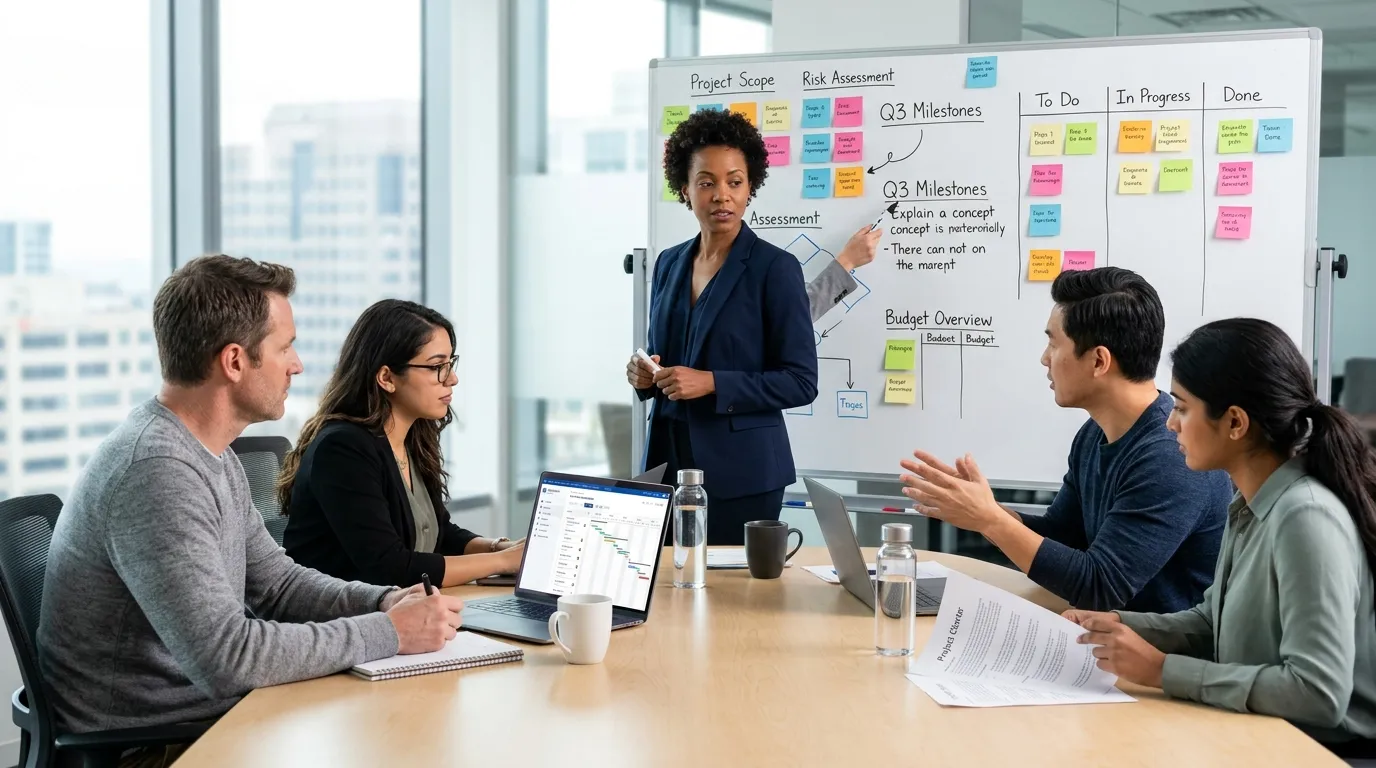
EPZ developments might appear quite simple on paper, yet in practice they tend to experience a number of delays due to such factors as vague approvals, lengthy utility connection procedures, lack of contractor cooperation, and unexpected cost increases, which are usually not anticipated by any business organization in the initial planning stage.
In case you decide to set up your business within an Export Processing Zone, you will not only need to deal with the construction process, but will be required to comply with a series of other aspects as well. Any failure to take care of these aspects in time will inevitably delay your project.
The purpose of this book is to show you the most effective methods of managing an EPZ development project.
1. Start with Clear Regulatory Planning
All the EPZ processes start with regulations. Before initiating any designs or contracting contractors, one must have adequate information about the regulatory measures put forward by the EPZ Authority.
One must verify the licensing category, allowable industrial operations, tax concessions, customs clearance, and import procedures of the machinery. There is different documentation for each process, which includes the application form, feasibility report, company registration papers, and financial information.
The approval period may differ based on the size of the project and documentation. Approval delays occur in cases where there is a lack of documentation in the project. This is why one must identify all the approval processes in sequential order, along with their timeline estimates.
2. Define Scope and Objectives Clearly
It makes life easier when there is a clear scope.
What is built must be well defined. It means the total land that will be used, construction area, production area, machinery area, warehouse area, and office area should be defined clearly. In case of a factory, you should define how many units you want to manufacture in a day/month.
Objectives also need to be quantifiable. Examples of such objectives are target operation start date, target output, number of employees, and budget. Uncertainty in scope results in changes during construction, causing extra costs and delays.
Planning for future expansions should also be taken into consideration. Allocating room for expansion of units or storage could save you money in the long run.
3. Choose the Right Location Within the EPZ
Even within the same zone, the specific location is important. For instance, in the Karachi Export Processing Zone, land near entry points cuts down transportation costs and simplifies logistics. You can examine road widths within the plot, truck turning radius, and proximity to loading sites before choosing your plot.
Soil quality, drainage, and terrain should be considered as well. If the soil is not ideal, you need to do extra foundation work, adding to your construction expenses. An ideal plot makes construction easy and eliminates problems after construction.
4. Build a Realistic Timeline
Timelines must consider everything, not just construction. Divide your project into stages like permits, design, selection of contractors, acquisition of materials, civil works, utilities, machinery installation, and commissioning.
Estimate durations realistically according to local conditions. For instance, permits might take weeks, depending on how good your documents are. Importing materials will also require some time, depending on customs clearance.
Buffer your timeline. A realistic buffer would be roughly 10 to 20 percent of your entire timeline. If you don’t leave room for buffer, any slight delay will throw off your entire timeline.
5. Secure Utilities Early
Utilities are often the biggest delay factor in EPZ projects.
Electricity load requirements should be calculated based on machinery usage. You need to apply for connection early and confirm whether the zone can provide the required load. If not, backup systems such as generators must be planned.
Water supply, drainage, gas connections, and internet infrastructure should also be arranged early. Many projects get delayed because utility approvals start too late.
It is better to initiate all utility processes in parallel with construction rather than waiting until the building is complete.
6. Work with Experienced Contractors
The utilities usually cause a lot of delays in the project within the EPZ. The electricity consumption needs to be estimated based on the utilization of the equipment. You will have to apply early and find out whether the load requirement is met by the zone. If not, alternative arrangements such as generators have to be made.
It is important to arrange water supply, drainage, gas, and even internet early. Most projects experience delays due to late initiation of utility services. It is advisable to initiate utility services early while the process of construction is still going on.
7. Focus on Compliance and Documentation
Documentations in an EPZ are a never-ending affair. Appointments must be made for construction activities, import of machines, licensing of operations, and customs formalities. Proper documentations are needed at all stages, from invoices to certificates.
It is recommended that you set up a proper documentation regime, with documents well organized for easy access. One person should take care of this job. Your project might fail at any point despite finishing your construction due to lack of proper documentation.
8. Manage Budget with Contingency
Budget planning should include all possible costs.Apart from construction, include expenses for approvals, utilities, machinery installation, labor, and operational setup. Unexpected costs are common, so a contingency budget of around 10 to 20 percent is recommended.
Track expenses regularly and compare them with planned budget. If any cost starts increasing, adjust early instead of waiting until the end.Proper budget control ensures financial stability and prevents last minute funding issues.
9. Plan for Logistics and Access
Logistics planning affects both construction and operations. You need to plan how materials will arrive during construction and how goods will move after operations begin. Check road access, truck movement space, loading docks, and storage areas.
Proximity to ports like Port Qasim is important for export oriented businesses. Shorter distance reduces transport cost and delivery time.Efficient logistics setup improves overall productivity and reduces operational delays.
10. Hire EPZ Consultants For Business Management
EPZ consultants can simplify complex processes. They assist with approvals, documentation, site selection, and coordination with authorities. Their experience helps avoid common mistakes and reduces delays.
Consultants also provide insights into regulatory updates and operational requirements. For businesses new to EPZ environments, this support can save significant time and cost. Hiring the right consultant is an investment that improves project efficiency.
Conclusion
EPZ project management requires careful planning, coordination, and consistent monitoring at every stage. From regulatory approvals to construction and operations, each step needs attention to detail.
When you define scope clearly, secure utilities early, manage budget properly, and maintain strong compliance control, your project becomes predictable and efficient.
A structured approach not only reduces delays but also ensures your facility is ready for smooth operations from the first day.
Also Read: Best EPZ Locations in Pakistan for Manufacturing Businesses