
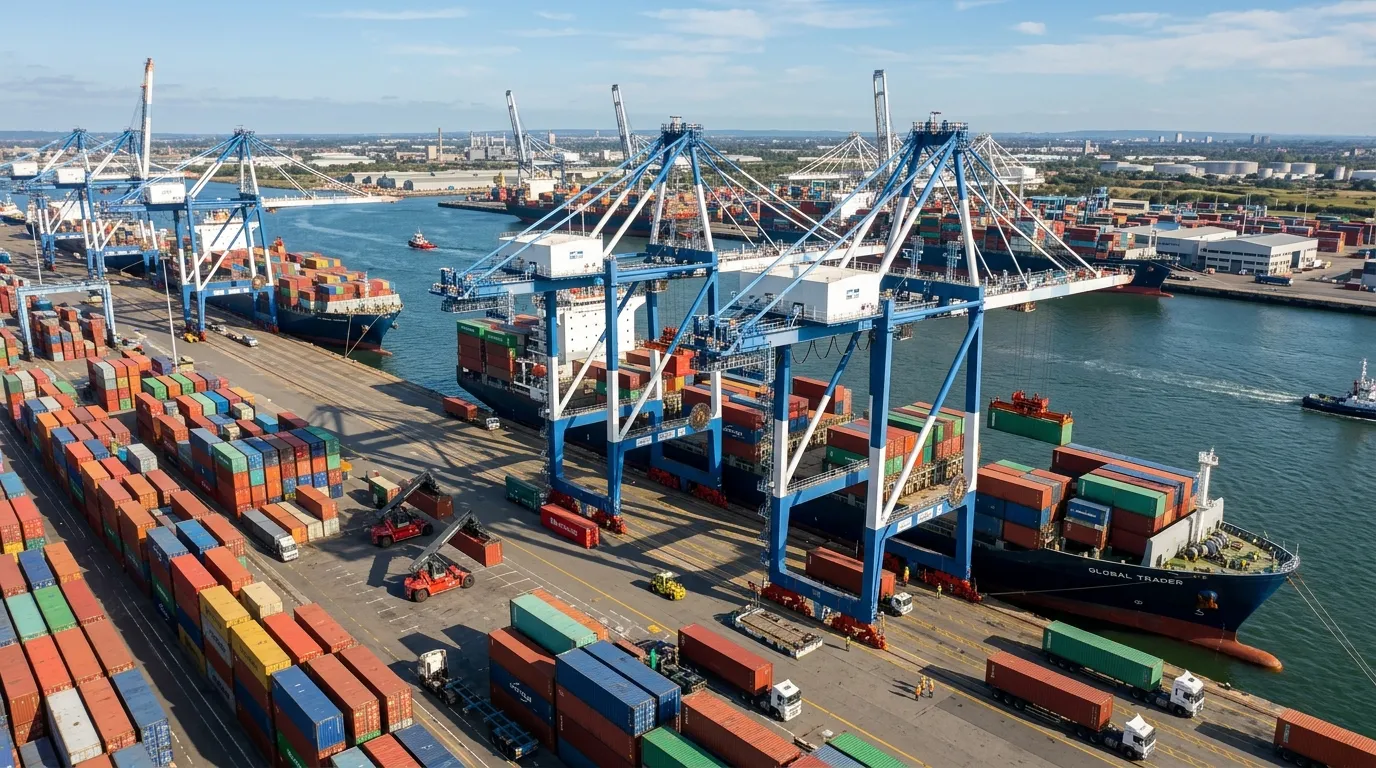
Special laws govern Export Processing Zones (EPZs) of Pakistan. The purpose of these laws is to facilitate export-oriented industries, attract foreign investments, and promote international business.
The management of the Export Processing Zones falls under the purview of Export Processing Zones Authority (EPZA). The EPZs offer some facilities to businesses that cannot be provided outside the Domestic Tariff Area.
Knowledge of EPZ laws is necessary for potential investors willing to start manufacturing, processing, assembly, packaging, and export-oriented businesses in Pakistan’s EPZs.
Businesses Must Be Export-Oriented
The primary purpose of an Export Processing Zone is to promote exports. As a result, businesses operating within EPZs are generally required to manufacture, process, assemble, package, or provide services that generate export earnings.
Companies established inside EPZs are expected to sell the majority of their products to international markets rather than within Pakistan. While limited sales to the domestic market may be permitted under specific conditions, such transactions are subject to applicable duties, taxes, and regulatory approvals.
Eligible Activities
- Manufacturing
- Industrial processing
- Assembly operations
- Export-oriented services
- Packaging and value addition
- Information technology services
- Engineering and industrial production
The export-oriented nature of EPZs ensures that businesses contribute to foreign exchange earnings and economic growth.
Duty-Free Import of Machinery and Raw Materials
One of the most attractive EPZ incentives is the ability to import machinery, equipment, spare parts, and raw materials without paying customs duties and taxes.
This benefit significantly reduces startup costs and improves operational efficiency for manufacturers.
Common Duty-Free Imports
- Industrial machinery
- Manufacturing equipment
- Production lines
- Raw materials
- Components and spare parts
- Packaging materials
- Laboratory equipment
- Industrial tools
Benefits for Investors
- Lower capital investment requirements
- Reduced production costs
- Improved international competitiveness
- Faster business expansion
Businesses must ensure that imported goods are used exclusively for approved EPZ operations.
Foreign Exchange Rules Apply
EPZ businesses are allowed to maintain foreign currency transactions in accordance with regulations issued by the State Bank of Pakistan (SBP) and EPZA.
Because EPZ companies primarily serve international markets, they regularly deal with foreign buyers, suppliers, and financial institutions.
Key Foreign Exchange Features
- Export proceeds may be received in foreign currency.
- International payments can be made for imports and services.
- Foreign investors can maintain approved banking arrangements.
- Certain transactions may require reporting to regulatory authorities.
Companies should always comply with State Bank regulations regarding foreign exchange management and international financial transactions.
Profits Can Be Repatriated
Foreign investors are generally permitted to repatriate profits, dividends, and capital investments subject to applicable laws and regulatory requirements.
This regulation is particularly important for international investors seeking flexibility in managing overseas investments.
Repatriation May Include
- Business profits
- Dividends
- Capital gains
- Investment proceeds
- Approved foreign payments
The ability to transfer earnings abroad helps make Pakistan’s EPZs more attractive to international businesses and multinational investors.
Simplified Customs Procedures
EPZ businesses benefit from streamlined customs processes designed to reduce administrative delays and improve operational efficiency.
Unlike conventional import-export operations, EPZ companies often enjoy simplified customs clearance procedures for approved imports and exports.
Customs Facilitation Measures
- Dedicated customs procedures
- Faster cargo clearance
- Reduced documentation requirements
- Simplified inspections
- Export-focused customs processing
These measures help businesses reduce shipping delays and maintain efficient supply chains.
Tax Incentives
Tax incentives are among the main reasons businesses choose to operate within Export Processing Zones.
The exact incentives may vary depending on current laws, regulations, and government policies, but EPZ investors generally benefit from a more favorable taxation framework than businesses operating outside the zones.
Potential Tax Benefits
- Reduced tax burdens
- Customs duty exemptions
- Sales tax-related incentives
- Import tax exemptions on approved goods
- Investment-friendly fiscal treatment
Investors should obtain updated professional advice regarding applicable tax regulations before making investment decisions.
Land and Infrastructure Facilities
EPZA provides industrial land and infrastructure facilities to support export-oriented businesses.
Depending on the zone, investors may obtain industrial plots, factory buildings, warehouses, and other operational facilities.
Infrastructure Typically Includes
- Industrial plots
- Factory spaces
- Warehousing facilities
- Internal road networks
- Electricity connections
- Water supply
- Sewerage systems
- Telecommunications infrastructure
- Security services
These facilities allow investors to establish operations more efficiently than developing industrial infrastructure independently.
Imports From the Rest of Pakistan Are Treated as Exports
A unique EPZ regulation is that goods supplied from Pakistan’s Domestic Tariff Area (DTA) into an Export Processing Zone are generally treated as exports.
This creates opportunities for local manufacturers and suppliers to sell products and services to EPZ-based companies.
Examples
A local supplier may provide:
- Raw materials
- Packaging materials
- Industrial components
- Manufacturing inputs
- Engineering services
In many cases, these transactions may qualify for export-related treatment under applicable regulations.
This system encourages stronger linkages between EPZ businesses and domestic industries.
Licensing and Registration Are Required
Businesses cannot simply begin operating inside an Export Processing Zone without approval.
Investors must complete registration and licensing requirements established by EPZA and other relevant authorities.
Typical Registration Requirements
- Company registration
- EPZA application submission
- Business plan submission
- Investment proposal
- Identification documents
- Financial information
- Technical project details
Regulatory Authorities Involved
- Export Processing Zones Authority (EPZA)
- Securities and Exchange Commission of Pakistan (SECP)
- Federal Board of Revenue (FBR)
- State Bank of Pakistan (where applicable)
- Environmental authorities (if required)
Operations can only begin after obtaining the necessary approvals and permits.
Private and Public EPZs Are Allowed
Pakistan’s EPZ framework allows both government-operated and privately developed export processing zones.
This provides investors with greater flexibility when selecting a location for their operations.
Public EPZs
Developed and managed through government-supported frameworks.
Examples include:
- Karachi Export Processing Zone
- Risalpur Export Processing Zone
- Sialkot Export Processing Zone
Private EPZs
Developed by private-sector organizations under approved regulatory frameworks.
Potential advantages may include:
- Specialized industrial focus
- Modern infrastructure
- Industry-specific facilities
- Customized investor support
Both public and private zones operate under EPZA regulations and must comply with applicable legal requirements.
Conclusion
The Pakistan Export Processing Zones are formulated to promote export-driven industrialization through duty-free importations, easy customs formalities, investment policies, infrastructure facilities, and foreign investments protections for companies.
It is imperative for any company operating in an EPZ to stay committed to export orientation, comply with relevant laws and regulations, get approval from relevant authorities, and comply with customs, environmental, labor, and financial regulations. This way, the investors benefit from the business environment built for international transactions and manufacturing.
Investors who plan to set up businesses in Karachi EPZ, Lahore EPZ, Sialkot EPZ, Risalpur EPZ, or any other approved zones should be aware of the above-discussed regulations.
Also Read: Timeline for Business Setup in Pakistan EPZs